Meet Bearbind, a twining plant often seen scrambling across hedgerows! It’s been used traditionally to soothe skin and ease minor ailments. Ecologically, Bearbind offers nectar to pollinators and shelter to small creatures. Keep an eye out for its heart-shaped leaves and delicate, bell-like flowers – a charming, climbing addition to the wild landscape!
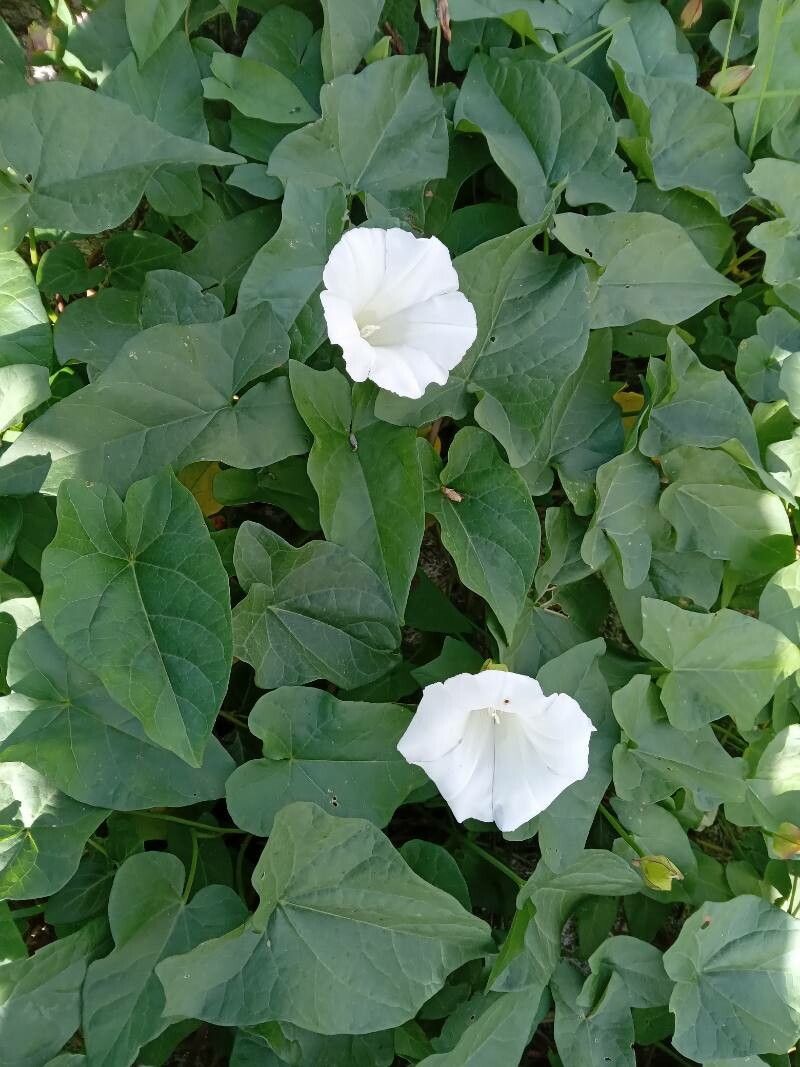
Bearbind Description
| Common Name | Bearbind |
|---|---|
| Scientific Name | Calystegia sepium |
| Family | N/A |
| Genus | N/A |
Introduction to Bearbind
🌱 Introduction
Bearbind (Calystegia sepium), also known as hedge bindweed, is a vigorous climbing vine with trumpet-shaped flowers, historically used in herbal remedies but also known for its invasive tendencies.
🌞 Growing Requirements
Bearbind thrives in USDA zones 3-10, preferring moist, well-drained soil and full sun to partial shade, but it’s highly adaptable and tolerates various conditions, spreading aggressively via rhizomes.
✂️ Care Guide
Plant bearbind seeds or rhizomes in spring, prune aggressively to control spread, and monitor for pests like aphids; regular watering during dry periods helps, but avoid overwatering to prevent root rot.
🎨 Landscaping Uses
While not typically recommended for ornamental landscaping due to its invasive nature, bearbind can be used for erosion control on steep banks if contained, pairing with similarly vigorous plants like certain tall grasses.
🌍 Eco Benefits
Bearbind can provide nectar for some pollinators, but its aggressive growth can outcompete native plants and reduce biodiversity, so careful management is crucial to minimize negative ecological impacts.
Characteristics of Bearbind
🌼 Physical Description
Bearbind, a grass reaching 2-3 feet, boasts narrow, arching blades with a fine texture, similar to delicate hair. In late summer, it produces feathery plumes, like a soft, airy cloud topping the plant.
🌱 USDA Zone
Zone 6
🌴 Growth Habits
Bearbind forms dense, non-invasive clumps, meaning it stays put where you plant it and won’t spread aggressively. Its roots are shallow and fibrous, like a tightly woven mat. As a long-lived perennial, it thrives for 5+ years, like a reliable friend, and can be easily propagated by division, splitting the clump to create new plants. Think of it as sharing the “friendship” to other spots in the garden.
🍂 Environmental Adaptability
This plant is pretty adaptable! It enjoys full sun to light shade, meaning it can handle a variety of light conditions. Once established, it tolerates drought, acting like a camel in the garden. It prefers well-drained, slightly acidic soil, similar to the conditions favored by blueberries or azaleas.
🍃 Unique Traits
Unlike many grasses, Bearbind retains its upright form without needing frequent mowing, a low-maintenance dream! Its seedheads shimmer in the breeze, resembling frosted cobwebs or miniature fireworks, adding a touch of ethereal beauty to the garden.
🌾 Practical Implications
Bearbind is ideal for low-maintenance landscapes, perfect for gardeners seeking beauty without constant upkeep. Its clumping habit helps control erosion, acting like a natural barrier to prevent soil loss. It also supports pollinators, attracting beneficial insects to your garden. Even in winter, its straw-colored stems add visual interest, preventing the landscape from looking barren.
Bearbind Summery
Alright, let’s talk Bearbind! Ever stumble upon a delicate vine, almost like morning glory’s shy cousin, twining its way up hedgerows or scrambling across sun-drenched fields? That could very well be Bearbind, Calystegia sepium. It has these heart-shaped leaves, pretty similar to bindweed, but the flowers are the real telltale. They’re big, trumpet-shaped, and usually pearly white, maybe tinged with pink – real eye-catchers on a summer day. You’ll often find it in dampish places, close to ditches, riverbanks, or even clinging to the edges of woodlands.
Now, traditionally, Bearbind hasn’t been a star in modern herbalism, but some folks used to use it as a mild laxative. Apparently, the roots have stronger effects, so it’s really something you’d want to use with extreme caution and knowledge. Interestingly, in some areas, it’s simply seen as a bit of a pest, a vigorous climber that needs to be kept in check. But think about that for a moment – its tenacity, its ability to thrive even in challenging conditions… Perhaps there’s a hidden lesson in its nature, a reminder of the power and persistence of the wild.
Bearbind Faq
What is Bearbind?
Bearbind is a term often used to describe certain types of climbing plants that can be invasive, potentially harming or suppressing other vegetation.
How can I identify Bearbind in my garden?
Look for climbing vines that wrap tightly around other plants. The leaves and flowers can vary depending on the specific type of bindweed.
Is Bearbind harmful to other plants?
Yes, Bearbind can smother and weaken other plants by blocking sunlight and competing for nutrients and water.
What are some effective methods for controlling Bearbind?
Persistent manual removal of the entire plant including the roots is crucial. Herbicides can be used, but careful application is necessary to avoid harming desirable plants.
Can I prevent Bearbind from spreading in my garden?
Regularly inspect your garden for new growth and remove it immediately. Mulching can also help suppress its growth.
Are there different types of Bearbind?
Yes, there are various species of bindweed, some more aggressive than others.
Does Bearbind only affect gardens?
No, Bearbind can also affect agricultural fields, forests, and other natural areas.
Is Bearbind difficult to get rid of completely?
Yes, due to its extensive root system, complete eradication can be challenging and may require multiple treatments over time.
Where does Bearbind typically grow?
Bearbind can grow in a variety of soil types and climates, often thriving in disturbed areas.
Are there any natural predators or controls for Bearbind?
There are few natural predators that effectively control Bearbind. Biological control options are being researched but aren’t widely available.